




Market Expansion and the Rise of Domestic Brands
The environmental test chamber industry is witnessing significant growth, fueled by the need for reliable quality assurance across diverse sectors. The market is expanding at a compound annual growth rate (CAGR) of over 2%, with temperature and humidity chambers remaining the dominant product type, holding approximately 40% of the global market share.
A critical trend is the rapid rise of Chinese domestic brands. Traditionally reliant on imported equipment, China's environmental testing equipment sector has undergone a remarkable transformation. Local manufacturers have achieved a breakthrough in high-end market substitution, with the localization rate of high-end environmental test chambers exceeding 58% in 2026, up from less than 35% in 2020. This shift is underpinned by advancements in core technologies and a focus on providing comprehensive "device + software + data + calibration + operation & maintenance" integrated solutions, reducing customer reliance on foreign suppliers.
Technological Innovation: Intelligence and Greenization
The industry's technological frontier is defined by two core directions: intelligent upgrading and greenization.
Intelligent Integration: Next-generation environmental test chambers are being equipped with AI, IoT, and digital twin technologies. Key innovations include:
Precision Control: 3D temperature and humidity mapping using advanced sensor networks, achieving ultra-high precision control within ±0.05°C and ±0.8%RH.
Predictive Maintenance: AI algorithms enable real-time performance monitoring and early fault warning, reducing unplanned downtime by up to 85%.
Remote Connectivity: Integrated cloud platforms allow for real-time monitoring, parameter adjustment, and data analysis from anywhere in the world, supporting global R&D collaboration.
Green and Energy-Saving Design: In line with global "dual carbon" goals, manufacturers are prioritizing energy efficiency and sustainability.
Energy Efficiency: Magnetic levitation variable-frequency compressors and waste heat recovery systems reduce energy consumption by over 40% compared to traditional models.
Eco-friendly Materials: The adoption of low-GWP (Global Warming Potential) refrigerants and an increase in the use of recyclable materials (over 90%) minimizes the environmental footprint of test equipment.
Expanding Application Scenarios Across High-Tech Industries
The versatility of environmental test chambers is enabling their application in cutting-edge technology fields, far beyond traditional manufacturing.
Semiconductor Industry: Chips undergo rigorous testing under extreme conditions (e.g., 85°C/85%RH for 3000 hours) to validate their reliability and performance over a 10-year lifespan, a critical step for advanced chip packaging and design verification.
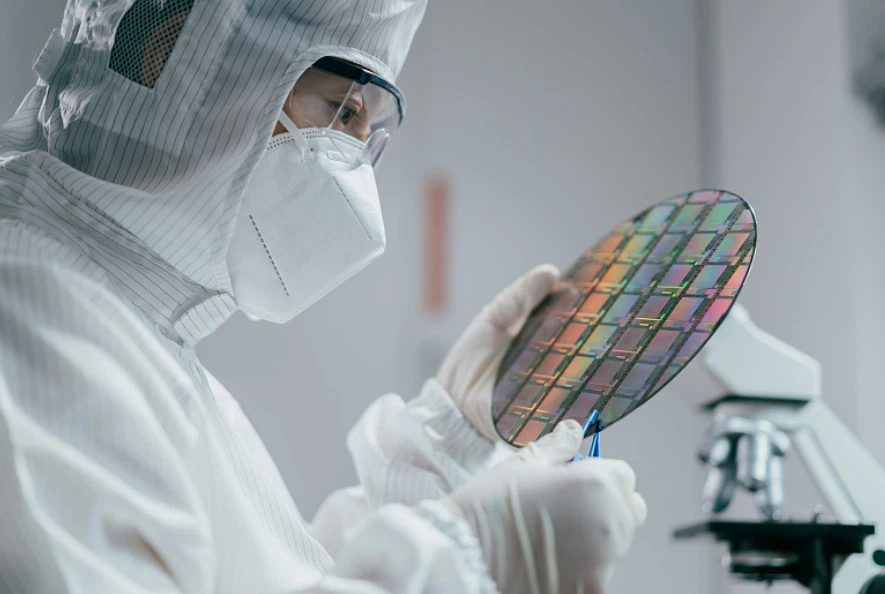
New Energy and Storage: Batteries and energy storage systems are tested across a wide temperature range (-40°C to 60°C) to simulate harsh real-world operating conditions, ensuring safety and performance stability during charging and discharging cycles.
Aerospace and Biomedical: Test chambers replicate the low-temperature, low-pressure environments of space to validate satellite components, while also providing precise stability testing for vaccines and pharmaceutical drugs, supporting their global market approval.
Future Outlook: Globalization and Standardization
Looking ahead, the environmental test chamber industry is poised for further evolution on two key fronts:
Global Market Penetration: With the competitiveness of Chinese products continuously improving, exports are expected to grow by more than 20% year-on-year. Manufacturers are expanding their reach into Southeast Asia, the Middle East, and Europe, offering competitive alternatives to established international brands.
Standardization and Synergy: The industry is actively participating in the formulation of international standards to ensure global recognition of test results. Additionally, closer collaboration between enterprises, research institutions, and universities will accelerate the transformation of technological achievements, fostering a more innovative and cohesive industrial ecosystem.
"Environmental test chambers are the bedrock of modern industrial innovation," said a senior executive from a leading Chinese test equipment manufacturer. "As we move towards a more digital and sustainable future, our mission is to provide the most reliable, intelligent, and cost-effective testing solutions to empower global manufacturing and technological progress."