




Introduction
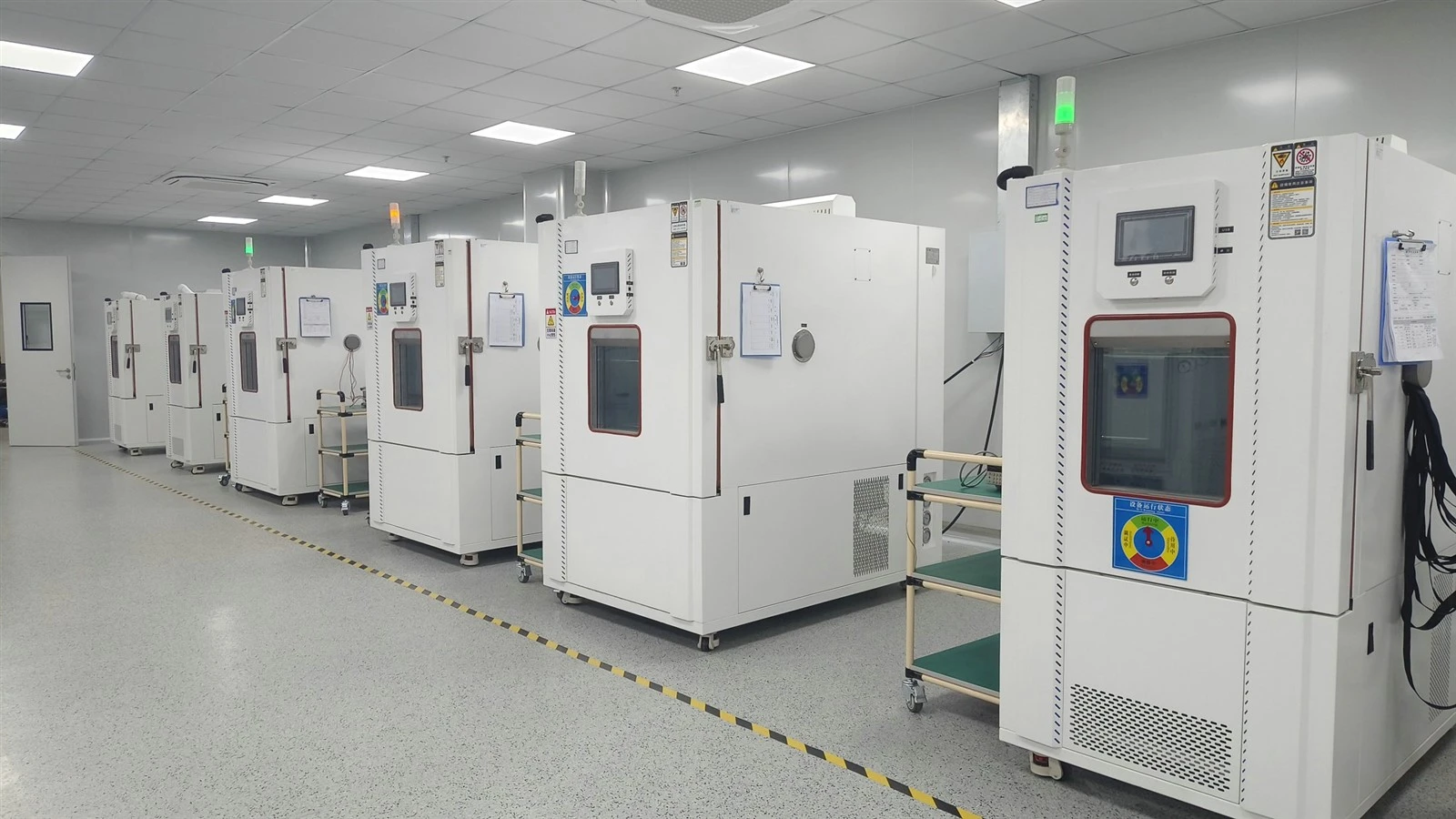
Thermal cycling testing simulates extreme natural temperature fluctuations to evaluate a product's environmental adaptability, making it essential for type testing and component screening during R&D. As a specialized environmental test equipment manufacturer, BOTO GROUP engineers high-precision temp cycle chamber that help businesses verify product reliability and structural stability under severe temperature transitions.
What Is Thermal Cycling Testing?
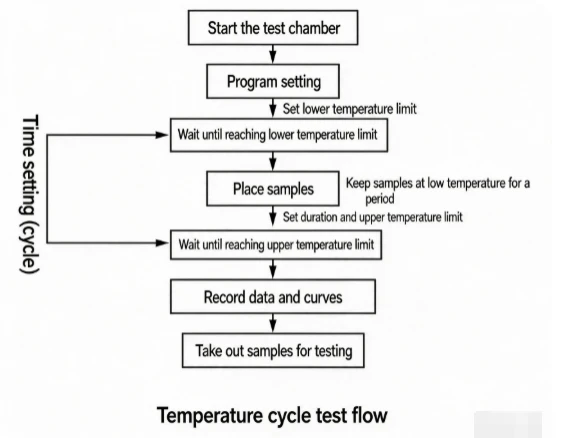
Temperature cycling test (also known as thermal cycling test or high-low temperature cycling test) refers to a reliability test in which the test sample is exposed to a pre-set alternating high and low temperature environment.
Core failure mechanism: The temperature cycling test is suitable for revealing and evaluating the "creep-stress release" fatigue failure mechanism caused by the mismatch of material's thermal expansion coefficient and shear stress. It is widely used in PCB solder joint failure analysis, electronic packaging, and automotive component evaluation.
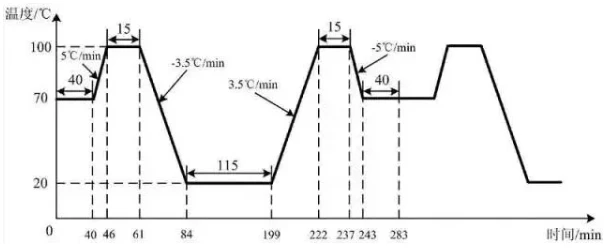
Key parameter control: To avoid cold and hot shock effects, the temperature change rate during the test usually must be less than 20℃/minute (commonly 5℃ - 15℃/minute). At the same time, to achieve the evaluation effect of creep and fatigue damage, it is recommended that the test temperature range be 25℃ - 100℃ or 0℃ - 100℃, and the residence (exposure) time at high and low temperatures is usually kept for more than 15 minutes each.
The temp cycle chamber produced by BOTO is equipped with a high-precision PID temperature control system and linear temperature rise and drop control technology, which can precisely set and reproduce complex temperature change rates and cycling curves, ensuring the accuracy and repeatability of the test results.
Technical specifications for temperature cycling
The technical parameters that determine the severity of a temperature cycling test include the following seven factors:
1. Maximum temperature extreme (e.g., +85°C, +125°C, +150°C)
2. High-temperature dwell time (to ensure the sample reaches internal thermal equilibrium)
3. Cooling rate (°C/min)
4. Minimum temperature extreme (e.g., -40°C, -55°C, -70°C)
5. Low-temperature dwell time
6. Heating rate (°C/min)
7. Total number of cycles
How many cycles does this Test require at least?
For the temperature cycling test in environmental adaptability tests, the number of cycles set directly affects the validity of the verification and the test duration. In the industry, the following principles are generally followed:
Minimum threshold (at least 3 cycles): According to environmental test standards, the test samples need to undergo at least 3 complete cycles to achieve a stable state of internal thermal stress distribution and temperature response.
Engineering recommendation (at least 5 cycles): 3 cycles only ensure temperature stability; if considering the repeatability of test data and eliminating accidental errors, it is recommended to add at least 2 more cycles on this basis. Therefore, the routine screening and basic verification require at least 5 cycles.
Strict life assessment (50 - 1000+ cycles): If used for the life prediction of automotive electronics, aerospace, or semiconductor solder joints, it is necessary to combine the actual service life of the product with the acceleration model to set hundreds or even thousands of cycles.
BOTO suggests that customers set the number of cycles reasonably in the temp cycle chamber based on the actual usage environment and reliability acceptance requirements of the product to ensure that the test results can truly reflect the long-term performance of the product.
Common temperature cycle test standards
To ensure that the test data complies with the industry compliance requirements both domestically and internationally, the implementation specifications of the temp cycle chamber mainly refer to the following standards:
GB/T 2423.22: "Environmental Testing - Part 2: Test Method - Test N: Temperature Variation" (Chinese National Standard)
IEC 60068-2-14: "Environmental Testing - Part 2-14: Test Method - Test N: Temperature Variation" (International Electrotechnical Commission Standard)
JEDEC JESD22-A104: "Temperature Cycling Test Standard" (Core standard for the semiconductor and microelectronics industry)
ISO 16750-4: "Road Vehicles - Environmental Conditions and Tests for Electrical and Electronic Equipment - Part 4: Climate Load"
GJB 150.5A: "Laboratory Environmental Test Methods for Military Equipment - Part 5: Temperature Shock Test"
The Importance of Temperature Cycling Test Chambers
In the context of modern manufacturing moving towards higher integration and greater reliability, equipping a high-precision temp cycle chamber holds irreplaceable significance for enterprises in terms of research and development as well as quality control:
Early exposure of manufacturing defects: Quickly identify potential defects such as poor soldering, cracking of the package, and material layering before the product is released to the market, preventing large-scale post-sale failures due to temperature variations.
Significantly shorten the research and development verification cycle: Through accelerated laboratory simulation of temperature changes, reproduce the effects of years of day-night and seasonal temperature variations on the product in just a few days, accelerating the iteration and launch of new products.
Ensure compliance with supply chain and factory inspection requirements: Meet the factory inspection and compliance requirements of automotive OEMs, consumer electronics giants, and international buyers for mandatory reliability tests such as IEC and ISO, enhancing the competitiveness of enterprises in receiving orders.