



Preface
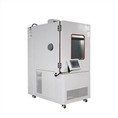
Ozone Resistance Test Chamber Ozone in the atmosphere is a strong oxidizing substance. For flexible materials such as rubber and elastomers, long-term exposure to trace ozone will cause molecular chain breakage, resulting in surface cracking, hardening, brittle fracture and other aging phenomena, especially when the material is under tensile stress, the aging damage will be significantly aggravated.


The equipment mainly relies on two mature ozone generation technologies: corona discharge and UV lamp radiation. The corona discharge method is more mainstream in industrial testing. It generates high-purity and stable ozone through high-voltage electric field ionization of dry air or oxygen, which is evenly circulated and mixed in the sealed test chamber through a professional air circulation system. Equipped with high-precision ozone sensors and intelligent temperature and humidity control modules, the equipment can stably lock core parameters such as ozone concentration, test temperature and humidity, ensuring consistent test conditions throughout the experiment. Test specimens are fixed on professional tensile fixtures to apply static or dynamic strain, truly restoring the stress state of materials in actual use, and realizing accurate simulation of ozone aging damage.
Product Performance
A high-performance ozone resistance test chamber integrates multiple precise subsystems, with stable operation and high test accuracy, covering all links from gas generation, constant temperature control to sample testing and data monitoring:
1. Ozone Generation & Circulation System
Adopts industrial-grade ozone generator with stable output and long service life. The built-in uniform air duct and circulating fan realize full-scale ozone gas circulation, effectively avoid local concentration deviation, and ensure that each test specimen is exposed to uniform ozone concentration, which is the key to repeatable test results.
2. Intelligent Constant Temperature & Humidity Control System
Equipped with precision temperature control module, the adjustable temperature range covers conventional test temperatures required by international standards. The independent humidity control system can adjust the environmental humidity as needed, avoid test errors caused by humidity interference, and meet the aging test requirements of different materials.

Compliant Test Standards
Standardization is the core basis for the credibility of test data. The ozone resistance test chamber fully meets mainstream international and industry standards, providing standardized test reports for product certification and factory quality inspection:
ISO 1431-1:2022: Standard test method for ozone cracking resistance of vulcanized rubber and thermoplastic rubber under tensile conditions
ASTM D1149: Standard test for ozone aging performance of rubber materials
GB/T 7762: National standard for ozone resistance test of vulcanized rubber
According to standard requirements, the test can be carried out by three mainstream evaluation methods: observing the cracking state of samples after specified time and fixed strain, recording the initial cracking time of materials, and detecting the critical strain of ozone aging, covering all conventional material performance evaluation dimensions.
Main Industry Applications
Ozone aging damage is the main failure cause of polymer flexible materials in outdoor and mechanical working environments, so the ozone resistance test chamber is widely used in multiple high-precision manufacturing fields:
1. Automotive Industry
It is used for ozone resistance testing of automotive rubber parts such as sealing strips, shock-absorbing rubber pads, tire sidewalls and rubber hoses. It verifies the aging resistance of auto parts in outdoor atmospheric environment, avoids product cracking and failure during long-term driving, and improves vehicle safety and service life.
2. Rubber & Elastomer Manufacturing
For daily rubber products, industrial sealing rings, conveyor belts and other products, it conducts batch aging performance testing, helps manufacturers screen high-quality raw materials, optimize product formulas, and eliminate unqualified products before leaving the factory.
3. Wire, Cable & Electrical Industry
The insulating layers and sheath materials of outdoor wires and cables are susceptible to ozone oxidation and cracking. The ozone test chamber can effectively verify the environmental aging resistance of cable materials and ensure the stable operation of electrical equipment for a long time.
Hot Tags: Ozone Resistance Test Chamber, China, suppliers, manufacturers, factory, buy, cheap, Wire and Cable Aging Test Chamber, Thermo Scientific CO2 incubator, Salt Fog Corrosion Test Chamber, Environmental Composite Test Chamber, Paper Testing machine, Rain spray test chamber


