




What is constant temperature testing?
Constant temperature testing is an experimental method used to test various materials, products, and equipment under set temperature conditions to evaluate their performance stability and operational reliability. As a professional manufacturer specializing in reliability environmental testing equipment, BOTO, with its professional equipment R&D, design, and technical team, can provide customers with high-performance constant temperature humidity testing machine, helping them effectively verify product performance under extreme temperature conditions.
This test, by replicating the temperature environments that products may face in real-world applications, has become a core technical means to ensure the stable operation of products in various environments, providing crucial data support for product technology optimization and performance upgrades.
Core parameters and indicators
1. Temperature Range: Standard constant temperature humidity testing machine cover -40℃ to +150℃, and can be customized according to specific customer testing requirements;
2. Temperature Uniformity: The temperature at all points within the test chamber should remain highly consistent, typically with fluctuations controlled within ±0.5℃. Uneven temperature distribution directly affects the reliability of test data;
3. Control Accuracy: The accuracy of the temperature control system is crucial, generally requiring a high standard of ±0.1℃. Precise control is the fundamental guarantee for maintaining stable temperature and accurate results during the experiment;
4. Experiment Duration: The experimental period depends entirely on the testing standards followed, ranging from a few hours to several months. Throughout the entire specified experimental period, temperature conditions must remain constant.
Common equipment
1. Constant Temperature Test Chamber: As the most widely used equipment, it provides a continuous and stable temperature environment, suitable for the constant temperature treatment of various samples, and can meet the requirements of most experiments.
2. Constant Temperature Water Bath: Utilizing the excellent thermal conductivity of water, it can create a highly uniform temperature environment, especially suitable for the constant temperature treatment of liquid samples, effectively preventing experimental deviations caused by local temperature differences.
3. Constant Temperature Humidity Testing Machine: This equipment integrates precise temperature and humidity control functions, specifically designed for tests requiring comprehensive evaluation of the effects of temperature and humidity, such as environmental reliability verification of electronic products. BOTO offers professional constant temperature and humidity test chamber solutions, flexibly adapting to the sample testing needs of different customers, ensuring highly stable test conditions and accurate and reliable results.
Main testing items
1. High Temperature Resistance Testing
Used to assess the stability of materials or products in high-temperature environments, aiming to prevent performance degradation or structural damage caused by high temperatures.
2. Low Temperature Resistance Testing
Aims to verify the functional performance of products under low-temperature conditions. This test is crucial for the structural design of electronic products and materials.
3. Thermal Cycling Testing
Uses alternating high and low temperatures to assess the product's resistance to thermal fatigue, simulating temperature fluctuations experienced in real-world applications.
4. Constant Humidity Testing
Conducts temperature tests under precisely controlled humidity conditions to reproduce real-world environments (e.g., storage conditions required for pharmaceutical stability assessments).
Application areas
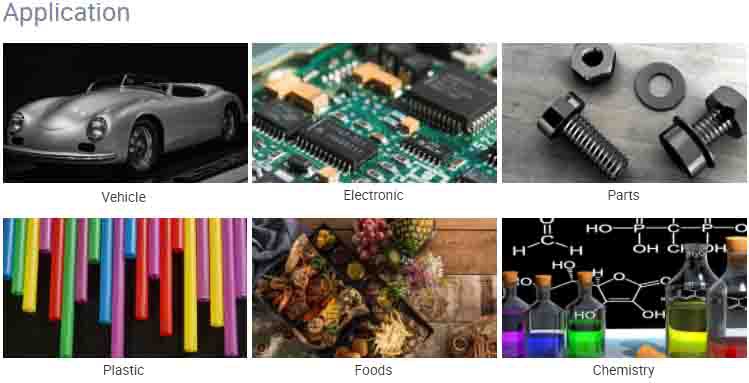
1. In the electronics field, this test is used to evaluate the performance of electronic components in various temperature environments, aiming to identify potential defects in advance and provide a basis for product design optimization.
2. In the automotive manufacturing field, it is used to verify the operation of various automotive components under extreme temperature conditions, thereby ensuring the quality and long-term reliability of parts.
3. In the pharmaceutical industry, this test aims to ensure the effectiveness of medicines throughout storage and transportation, and thus scientifically determine their shelf life under various temperature conditions.
4. In addition, this test plays a crucial role in many fields such as materials science, biology, chemical reaction research, and food science, for example, to explore the physicochemical properties of materials or to observe the growth and metabolic activities of biological samples.
Operating Precautions
1. Sample Preparation: Samples must be cleaned to ensure accurate test results. A diverse range of representative samples should be selected to ensure comprehensive test coverage.
2. Sample Placement and Handling: Unnecessary interference with the samples should be minimized. Frequent opening of the test chamber door should be avoided to maintain a uniform and stable temperature field within the chamber.
3. Equipment Parameter Setting: Temperature and humidity parameters must be set strictly according to relevant standards, ensuring the stability and reliable accuracy of the testing equipment.
4. Test Execution: Place the samples in the test chamber and conduct the test for the specified duration. During the test, real-time monitoring and recording of temperature and humidity changes within the chamber are necessary.
5. Test Result Analysis: After the test, the performance of the samples must be examined, and a test report should be compiled based on the recorded data to provide a comprehensive evaluation of the sample performance.
6. Test Safety Precautions: Safety precautions must be taken when conducting high-temperature or low-temperature tests. Operators should wear appropriate protective equipment to prevent burns or frostbite.
Common problems and solutions in testing
1. Temperature or Humidity Data Deviation: Check sensor status to confirm damage or need for replacement; verify sensor installation location compliance; calibrate the system using standard metrology equipment.
2. Abnormal Temperature and Humidity Fluctuations: Eliminate interference from external environmental factors; check the sealing performance of the equipment chamber and door seals; confirm uniform operation of the heating or cooling units.
3. Uneven Internal Temperature Distribution: Diagnose the functionality of the heating or cooling units; perform regular cleaning or replacement of relevant components; check and ensure the internal air circulation system is operating effectively.
4. Equipment Leakage or Insufficient Humidification Water Supply: Check the sealing condition of the test chamber and all joints; perform scheduled cleaning and maintenance of the water tank; monitor and replenish the humidification water in the tank promptly.
5. Equipment Failure to Start or Abnormal Power: Check the power supply line connection for secure and reliable connection; verify the output of the power supply equipment (such as the voltage regulator) is normal.
6. Failure to reach set temperature at high temperature or failure to cool at low temperature
Troubleshoot potential faults in the electrical control system;
Optimize PID parameter settings for the temperature control system;
Check the operating status of the refrigeration unit (such as compressor and refrigerant).
7. Abnormal humidity readings
Check the moisture level of the wet bulb sensor gauze and the water level in the water tank;
Replace or clean the wet bulb gauze regularly;
Check if the humidifier's water supply line is unobstructed and if the water level control is normal.
Summary
Constant temperature and humidity testing is a key technical means to ensure product quality and drive technological upgrades. This test can systematically evaluate a product's performance under various temperature environments, thus providing a solid scientific basis for product design and process optimization.
BOTO's professional technical team not only excels in the production of constant temperature humidity testing machine, but also provides complete environmental testing equipment solutions, including aging test chambers and corrosion resistance test chambers. We are committed to providing one-stop professional services to help our clients comprehensively enhance their product competitiveness, enabling them to gain a competitive edge in the fierce market competition.
If any inquiry or question,please don't hesitate to Contact us now!